Hookah Lounge Menu Design: Flavors, Pricing & Upsells
October 3, 2026
Hookah Lounge Business Model: Costs, Margins & Break-Even
October 3, 2026
Why Location Decides a Hookah Lounge’s Fate
Few decisions are harder to reverse than a hookah lounge location. Once the lease is signed, you have locked in the rent, the layout, the ventilation you can build, and often a multi-year obligation — long before a single customer sits down. A strong concept in the wrong space bleeds cash every month; a mediocre concept in the right one can be fixed.
A hookah lounge is not a café with a different menu. Its viability depends on three things a landlord will never solve for you: whether the use is legal there, whether the building can move enough air, and whether the right people are nearby after dark. This guide covers seven factors, each with a way to inspect it and the red flags that should stop you, then a printable scorecard, eight checks before signing, and the questions operators ask most.
Factor 1 — The Regulatory Environment Comes Before the Lease
This factor dominates the rest. Many cities restrict where a hookah or shisha lounge may operate through zoning codes, conditional-use permits, tobacco licensing, and indoor-smoking rules. Some allow them only in certain districts, some cap the number of licenses, and some effectively ban indoor smoking. You cannot negotiate your way out of a zoning problem after signing, so check the rules before you tour a space, not after you fall for one.
How to inspect it
Visit the planning or zoning department and the health department in person, and get answers in writing:
- Is a hookah or shisha lounge a permitted use or a conditional one at this address?
- Is there a cap on such licenses, and are any still available?
- Are there buffer distances from schools, parks, places of worship, or housing?
- Does local law treat hookah smoke as “smoking” under an indoor-smoking ban?
- Which permits are required, and what is the approval timeline?
Ask for a written zoning verification or at least a confirming email you can keep. A licensed hookah wholesale supplier can tell you what similar lounges had to obtain, but the authority is your local government.
Red flags
- “Other lounges operate here, so you’ll be fine” — that is not a legal opinion.
- No written confirmation before you are asked to sign.
- The site sits inside a buffer zone from a school, park, or housing.
- A certificate of occupancy that does not cover the use, with no clear path to change it.
- Pressure to “sign now and sort the permits later.”
Never sign a long lease or pay a large deposit on a space whose use is not legally confirmed.
Factor 2 — Target Customer Density, Not Raw Foot Traffic
“Busy” is not “your customers.” A street can be packed at noon and dead at ten. Hookah is an evening, group, long-stay activity, so what matters is how many of your people are nearby at your hours.
- University districts. Younger, price-sensitive, group visits, late nights — but seasonal, with summer collapses. A year-round local base keeps the lights on.
- Nightlife districts. Higher spend, later hours, weekend-heavy. Attractive, but usually the most competitive and expensive.
- Expat and diaspora communities. Family groups, longer sessions, food and tea pairing, strong loyalty, repeat visits.
- Tourist zones. High in season, volatile out of it, pricier, mostly one-time visits.
How to inspect it
Count people who match your segment during the hours you will open, not at midday. Map where they live and socialize. Ask two or three nearby complementary businesses when their crowds come and go. At peak evening hours, watch where rideshare cars drop off — that is measurable demand.
Red flags
- Strong daytime footfall but nobody on the street after 9pm.
- A purely residential area with no commercial evening life.
- A university area with a long break and no local base.
- Your whole case rests on one narrow crowd a competitor could take away.
Factor 3 — Competitive Density: Clustering vs. Differentiation
Competition cuts both ways. A cluster creates a destination — people come to “the shisha strip” and choose among venues — lowering your marketing burden and sharing late-night traffic. But it also caps what you can charge and forces you to be clearly better at something. The question is not “is there competition?” but “is there a gap I can own?”
How to inspect it
Map every hookah venue in your realistic catchment, not just the block. Visit at peak hours and record price points, flavor range, seating, food, music, crowd, service speed, and air quality — a smoke-hazed room is a weakness you can beat with better ventilation. Look for the underserved tier: premium, family-friendly, food-paired, late-kitchen, or simply cleaner.
Red flags
- Three or more identical lounges on one strip already in a price war.
- A dominant local brand with loyal customers and no obvious weakness.
- A site that only works if you undercut everyone.
- No specific reason a customer would choose you over the lounge next door.
Factor 4 — Rent and Cost Structure
Rent is a fixed cost due before a single bowl is packed. Build your own rent-to-revenue ratio from your projections and treat any published benchmark as a starting point, never a rule — the ceiling depends on your margin. A rent that looks fine on paper can crush you once ventilation, licensing, insurance, and fit-out are added.
What to negotiate:
- Base rent against projected revenue, not against what the landlord wants.
- Free rent and a tenant-improvement allowance to cover the build-out, while you earn nothing.
- Who pays for ventilation and electrical upgrades — push for the landlord to fund them or abate rent for them.
- Deposit, key money, and transfer fees if you later sell the business.
- Escalators and CAM charges, which compound over a long term.
- Term versus a break option, and the scope of any personal guarantee.
Red flags
- Gross rent plus CAM that swallows most of your margin.
- Refusal of any break clause, trial period, or permit contingency.
- You fund all the ventilation and electrical work with no abatement.
- A long term with steep escalators signed before you have trading history.
- A sublease whose terms collapse if the master tenant defaults.
Factor 5 — Space and Ventilation: The Hookah-Specific Hard Requirements
This is where café advice fails. Hookah produces smoke and carbon monoxide; a lounge that cannot move air is a health, compliance, and reputation problem no amount of decor fixes. Ventilation and ceiling height are non-negotiable and expensive to retrofit, so inspect them like the deal depends on them — because it does.
What to inspect
- Ceiling height. Higher clears smoke; low ceilings trap haze and breed complaints.
- Makeup air and exhaust. A real system balances fresh-air supply with extraction; a kitchen hood will not clear a lounge. Confirm it handles your seat count and charcoal use.
- Duct routing and roof access. Can ductwork be run, is the roof accessible, and who approves penetrations?
- Electrical capacity. Lighters, HVAC, sound, and kitchen equipment all draw load — check available amperage and whether an upgrade is feasible.
- Fire suppression and code items, plus any landlord-required modifications.
- Water, gas, and kitchen venting if you intend to serve food.
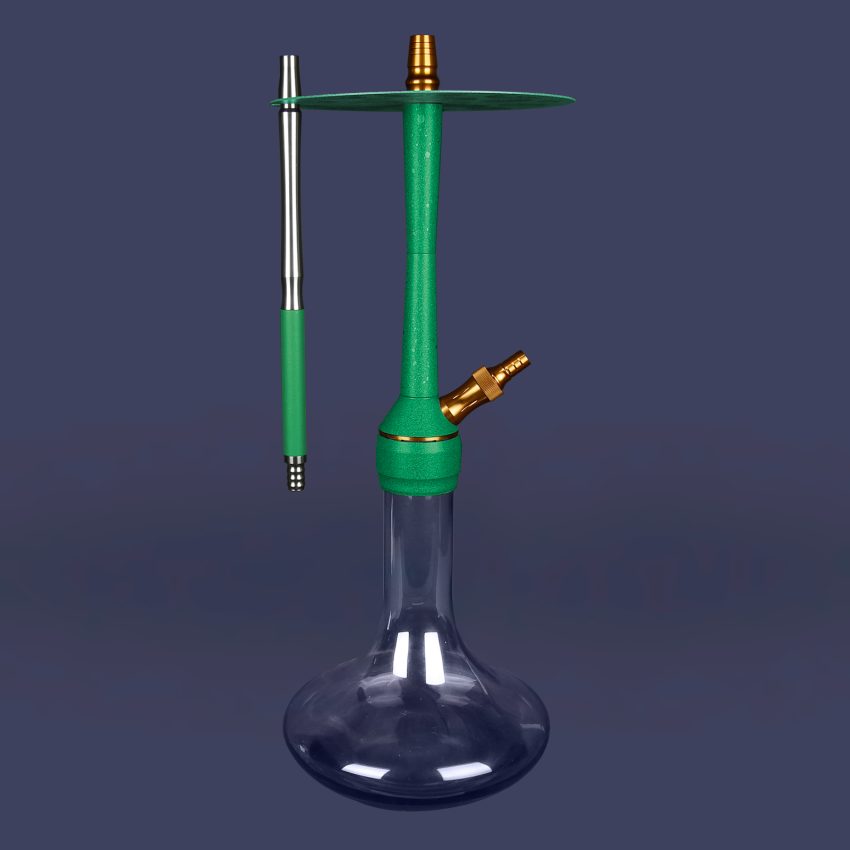
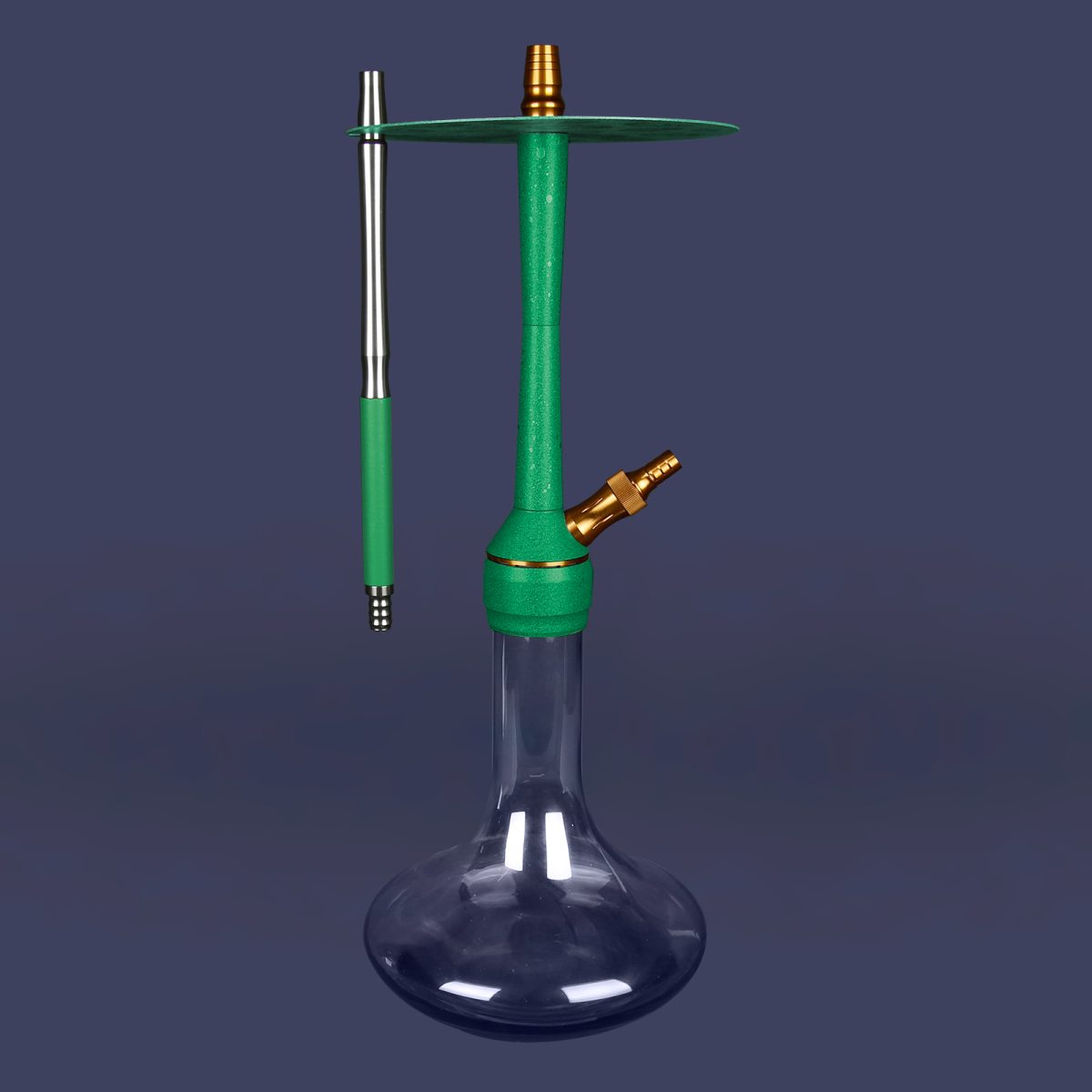
Bring a mechanical contractor to walk the space before you sign, and get a written estimate to reach code capacity. Ask to see the roof and the electrical panel. For seating and hardware, our wholesale hookah catalog shows commercial-grade units built for turnover.
Red flags
- “We’ll just open some windows.”
- No makeup-air provision, or a system sized for a small café.
- Residential units directly above or beside the space.
- No roof access, or a landlord who refuses penetrations.
- A panel already at capacity with no upgrade path.
- A former retail unit with no venting and no route to install it.
Factor 6 and 7 — Access, Parking, and Night-Economy Fit
Access and parking shape how long people stay
Hookah is a long-stay activity, so parking matters more than for a quick-stop café. Car arrivals need somewhere to leave a vehicle for two hours without anxiety, especially groups; transit and rideshare access supports later nights. No lot, permit-only zones, or short expensive meters quietly shorten sessions and push groups elsewhere.
Inspect: park at the site yourself at peak evening hours; walk the route from the nearest transit stop or rideshare drop; confirm supply loading and an accessible entrance.
Red flags: permit-only zones with short meters; no rideshare pickup area; loading that blocks the street; no accessible entrance.
Night-economy fit decides your ceiling and your risk
A hookah lounge is a night business. Nearby late-night food, music, and cinema keep people out; noise sensitivity can close you. Your music, your customers, and your extraction equipment can trigger complaints from apartments above or beside you, and complaints become restrictions and inspections. Review the noise ordinance and permitted closing hours before you commit.
Inspect: read the noise ordinance and permitted hours; identify residential buffers; ask a neighboring business about tolerance; check for an outdoor area that could cause complaints; confirm the hours you may trade.
Red flags: early forced closing hours; apartments directly above or adjacent; a quiet residential street; no late-night footfall after ten; a landlord who mentions past noise disputes.
A Printable Hookah Lounge Location Scorecard
Score each site before emotion takes over. Weight each factor, score it 1–5, and multiply. Print one sheet per site.
| Factor | Score 1–5 | Weight | Weighted | Automatic red flag? |
|---|---|---|---|---|
| Regulatory environment | ☐ | ×5 | ____ | Score of 1 = stop |
| Target customer density | ☐ | ×4 | ____ | Segment absent |
| Competitive density / gap | ☐ | ×3 | ____ | No reason to choose you |
| Rent and cost structure | ☐ | ×4 | ____ | Margin cannot clear rent |
| Space and ventilation | ☐ | ×5 | ____ | No route to code capacity |
| Access and parking | ☐ | ×2 | ____ | Groups cannot stay |
| Night-economy fit | ☐ | ×4 | ____ | Hours too restricted |
| Total weighted score | ____ / 135 | |||
Treat a low score on regulatory environment or space and ventilation as a stop signal regardless of the total — both are expensive or impossible to fix after signing. Use the total to compare otherwise-viable sites, not to justify one with a fatal flaw.
8 Things to Verify Before You Sign the Lease
Run this list on every candidate, in order. Do not sign until each line is answered.
- Permitted use in writing. A zoning verification or written confirmation that a hookah lounge is allowed at this address.
- License availability. Whether the required permits are still obtainable, and any cap on their number.
- Distance and buffer rules. Confirmation you clear any required distances from schools, parks, places of worship, and homes.
- Ventilation feasibility. A written mechanical contractor’s assessment that the space can reach the air capacity the use requires.
- Electrical capacity. Confirmed available amperage and a realistic estimate for any upgrade.
- Certificate of occupancy and change of use. What the space is certified for and exactly what is needed to change it.
- Your own pro forma. Rent, CAM, insurance, fit-out, ventilation, staffing, and utilities modeled against realistic covers and spend.
- A contingency clause. A lease provision making the deal conditional on obtaining the required permits and licenses, so a refused permit lets you walk away.
Of these, the contingency clause is the single most valuable protection: it turns a permit rejection from a business-ending event into a clean exit.
FAQ: Choosing a Hookah Lounge Location
Can I open a hookah lounge anywhere that is zoned for restaurants?
Not automatically. Restaurant zoning does not necessarily permit hookah smoking; many jurisdictions treat it separately through smoking regulations, tobacco licensing, or a conditional-use requirement. Even where it is allowed, buffer distances or license caps may rule out a specific address. Confirm the use for that address in writing before committing.
Is a university area or a nightlife district the better choice?
It depends on whether you want volume or margin. A university area brings large groups and late nights but is price-sensitive and seasonal; a nightlife district brings higher spend but steeper rent and competition. The strongest sites often combine a night-time draw with a year-round residential or diaspora base that fills the gaps between peaks.
How much does it cost to make a space ventilation-ready?
It is one of the largest line items in a hookah build-out and varies enormously with the building, the required capacity, and the route to the roof, so any single figure you read is unreliable. Get a written estimate from a mechanical contractor for the specific space before you sign, and budget a contingency on top. Never accept a verbal “it should be fine.”
What is the biggest mistake first-time operators make?
Signing a long lease before the use is legally confirmed. It is common, expensive, and avoidable. The sequence should always be: confirm zoning and permits in writing, get a ventilation and electrical assessment, model the economics, then negotiate a lease that stays conditional on your approvals. Get that order right and the rest becomes ordinary business.
Once a site clears these tests, the operational side is where margin is made and lost — from your commercial hardware to how fast you turn a table. Browse our ready-to-ship hookahs for units built to withstand heavy lounge use, and if you are weighing suppliers for a new venue, our hookah wholesale FAQ answers the questions buyers ask most. For order quantities, customization, and lead times for a lounge build-out, reach us through the site or on WhatsApp.